
Adapting Japanese gardens to Europe’s hotter, drier summers
Heatwaves across Europe are becoming increasingly intense, making this summer a particularly challenging season for plants and gardens.
Here in London, where I live, even parks that would normally remain covered in green grass throughout the year have turned yellow following the prolonged dry conditions since late June.
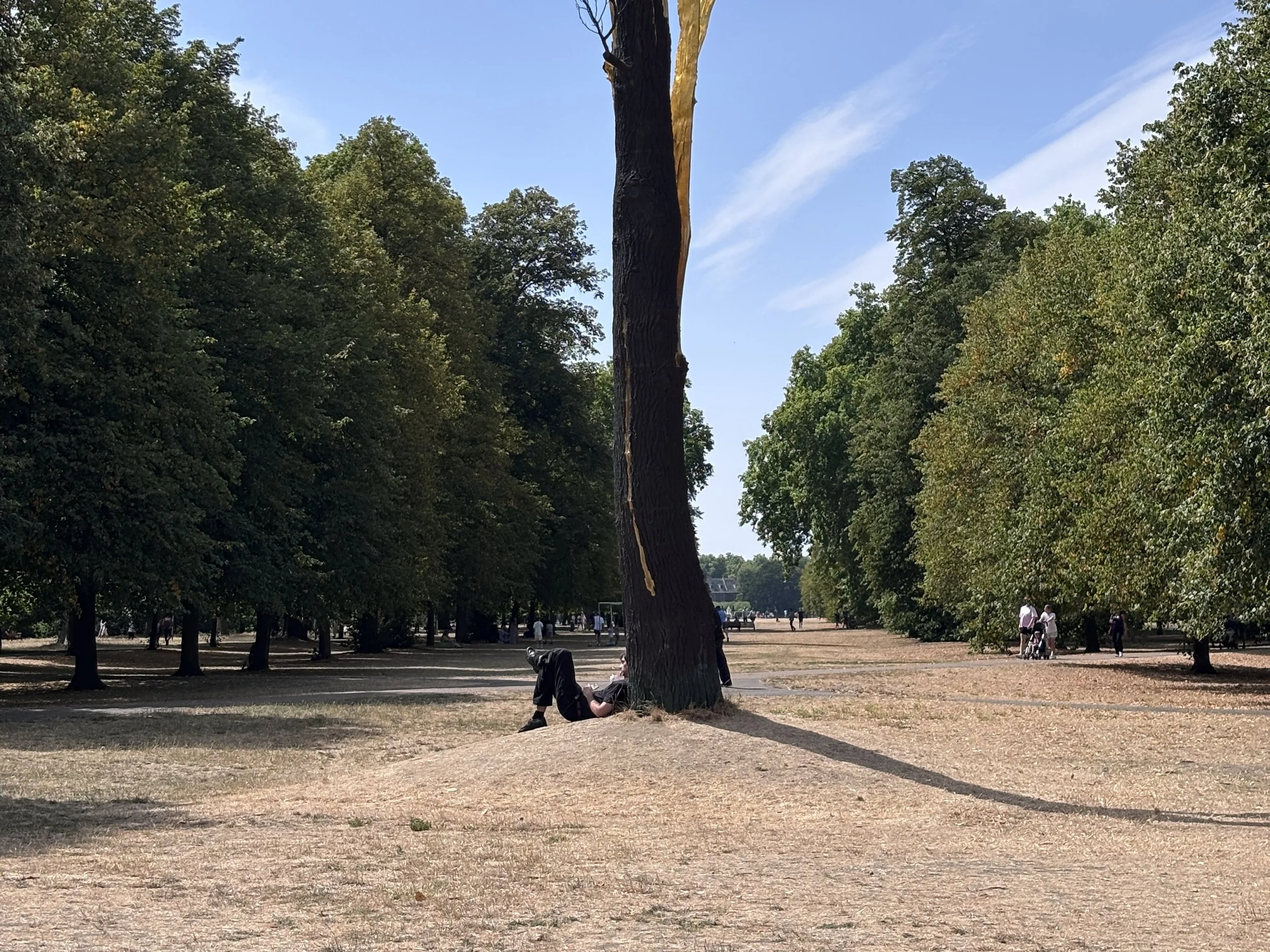
Hyde Park, London, July 2026
Dry landscape gardens, or karesansui, are of course one established form of Japanese garden.
However, as climate change brings increasingly hot and dry summers, there is a growing concern that gardens traditionally characterised by lush planting — such as roji tea gardens and naturalistic landscape gardens — may begin to take on a much drier appearance, not by design, but simply as a consequence of changing climatic conditions.
Adapting planting to a changing climate
Plants commonly associated with Japanese gardens, including pines, maples and azaleas, vary considerably in their tolerance of drought and strong sunlight. European summers also bring long daylight hours, while periods of high temperatures and prolonged low rainfall have become increasingly common in recent years.
Newly planted trees are particularly vulnerable to drought, as their root systems have not yet developed deeply enough to access moisture further down in the soil. During the establishment period, their condition needs to be monitored carefully, with patient and consistent watering where necessary.
Preserving the character of the garden
For medium-sized and larger gardens, or in locations with a low water table, installing an irrigation system may also be worth considering. At the same time, relying on irrigation to provide all the water that a garden requires may not be a sustainable long-term solution.
For lawns, shrubs and other planting, it is also possible to introduce species and varieties that are better able to tolerate heat and drought without compromising the character of a Japanese garden.
Finding the right balance between preserving the garden's intended landscape character and selecting plants and maintenance practices suited to the local climate is likely to become increasingly important for Japanese gardens in Europe.
How Tomorroway can help
At Tomorroway, we work with local specialists where appropriate to advise on plant selection, planting strategies and maintenance approaches suited to the particular conditions of each garden.
We can also advise on reviewing the planting of existing Japanese gardens or planning the planting of new gardens. Please feel free to contact us to discuss your garden.
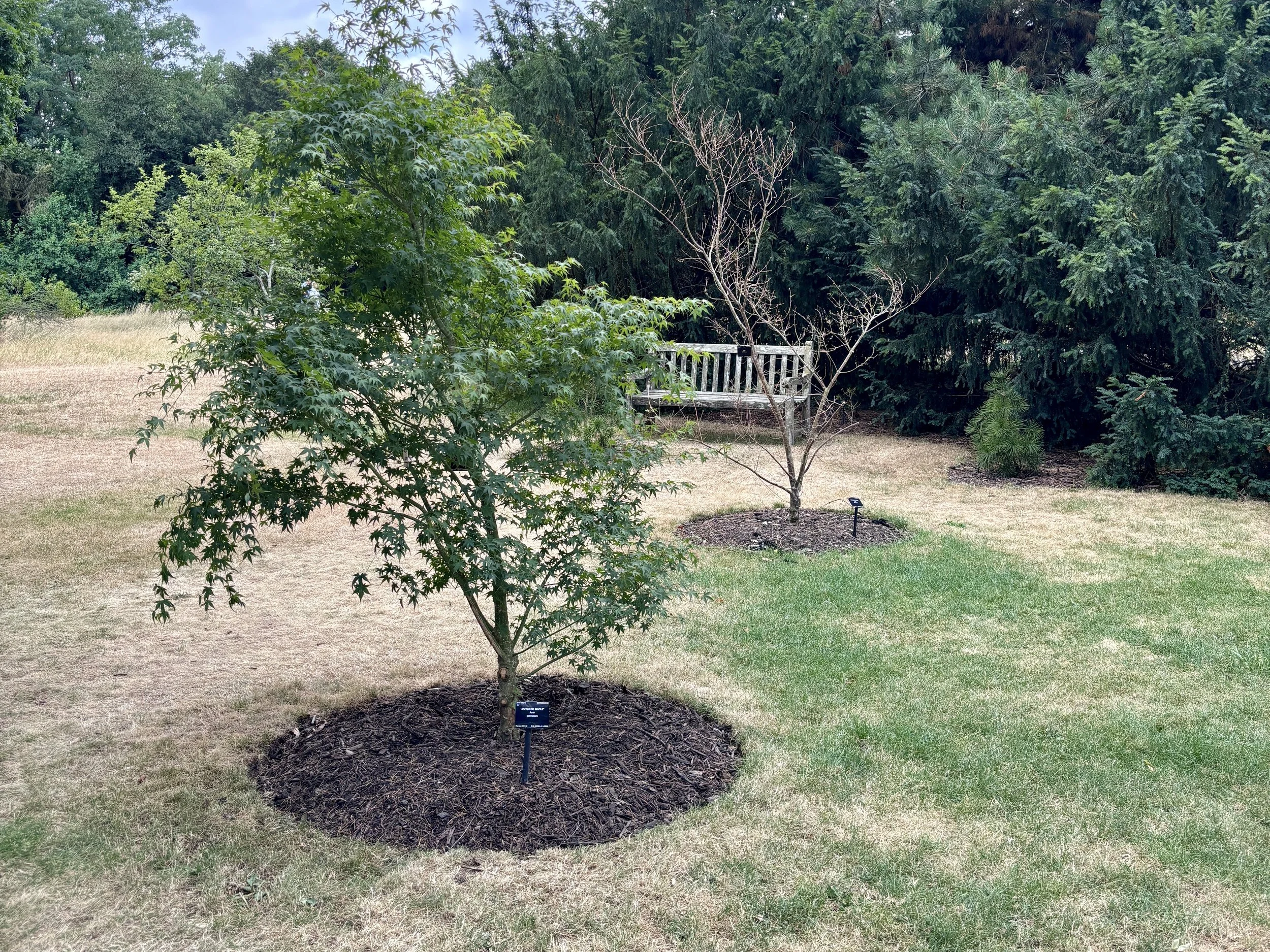
Kew Gardens, London, July 2026